

Event Recordings
Many of our events, both in-person and online, are recorded. On this page, we gathered our recordings of many of our events to bring these helpful resources to one central place. Browse through the recordings and watch or listen to something new or experience an event you attended again through the recording.
Intersection | Chaplaincy Lunch and Learn | Summit
Baptist Studies Center Webinars | Archives
Intersection
2025 Intersections
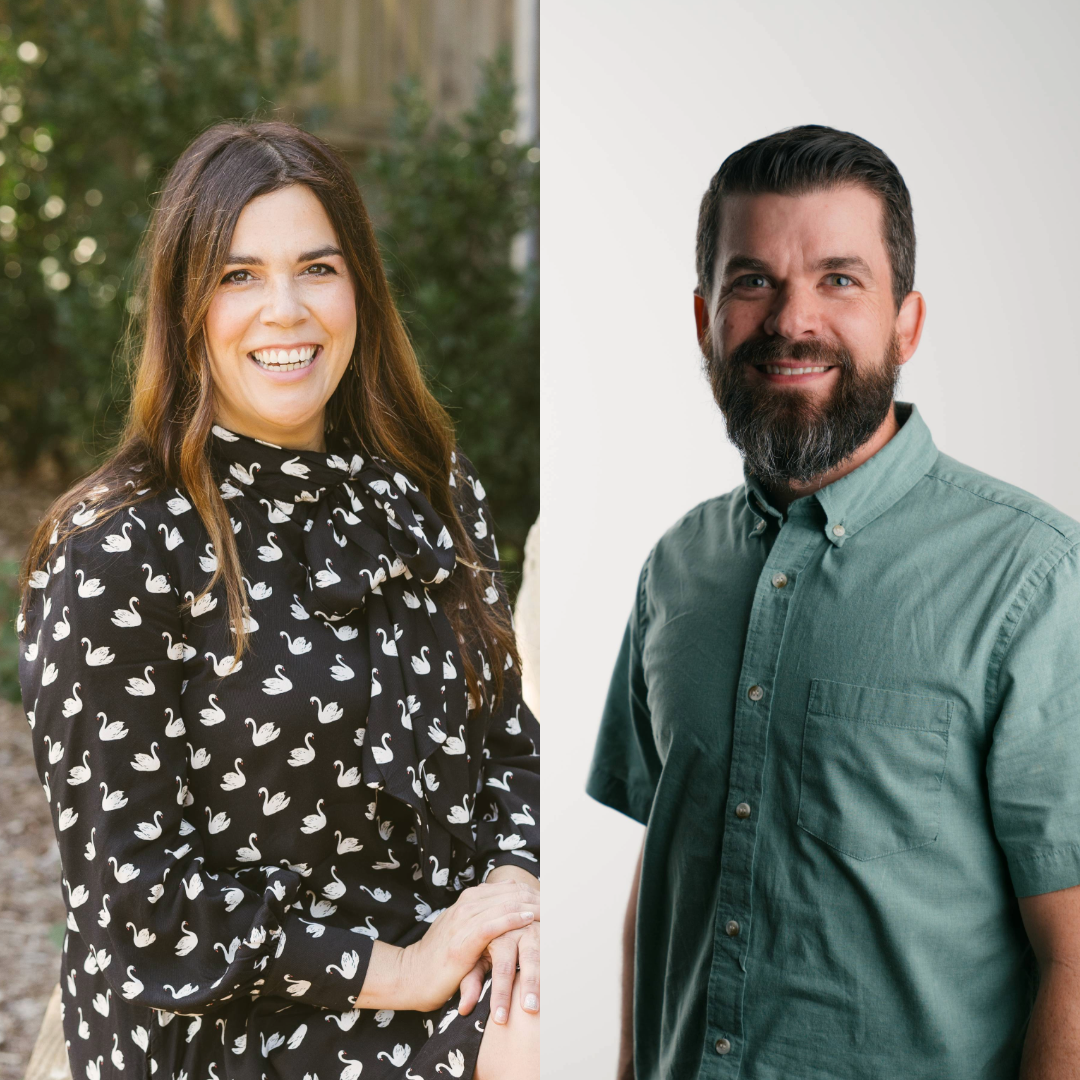
Join Dr. Dudley Chancey and host Dr. Carson Reed as they discuss Chancey’s new book, Keep Faith Alive: Grandparents and a Godly Legacy. The discussion will focus on the importance of intentionally telling every generation about the story of the great things that God has done and is doing in our world. Chancey will provide actionable steps for passing the faith along to other generations.


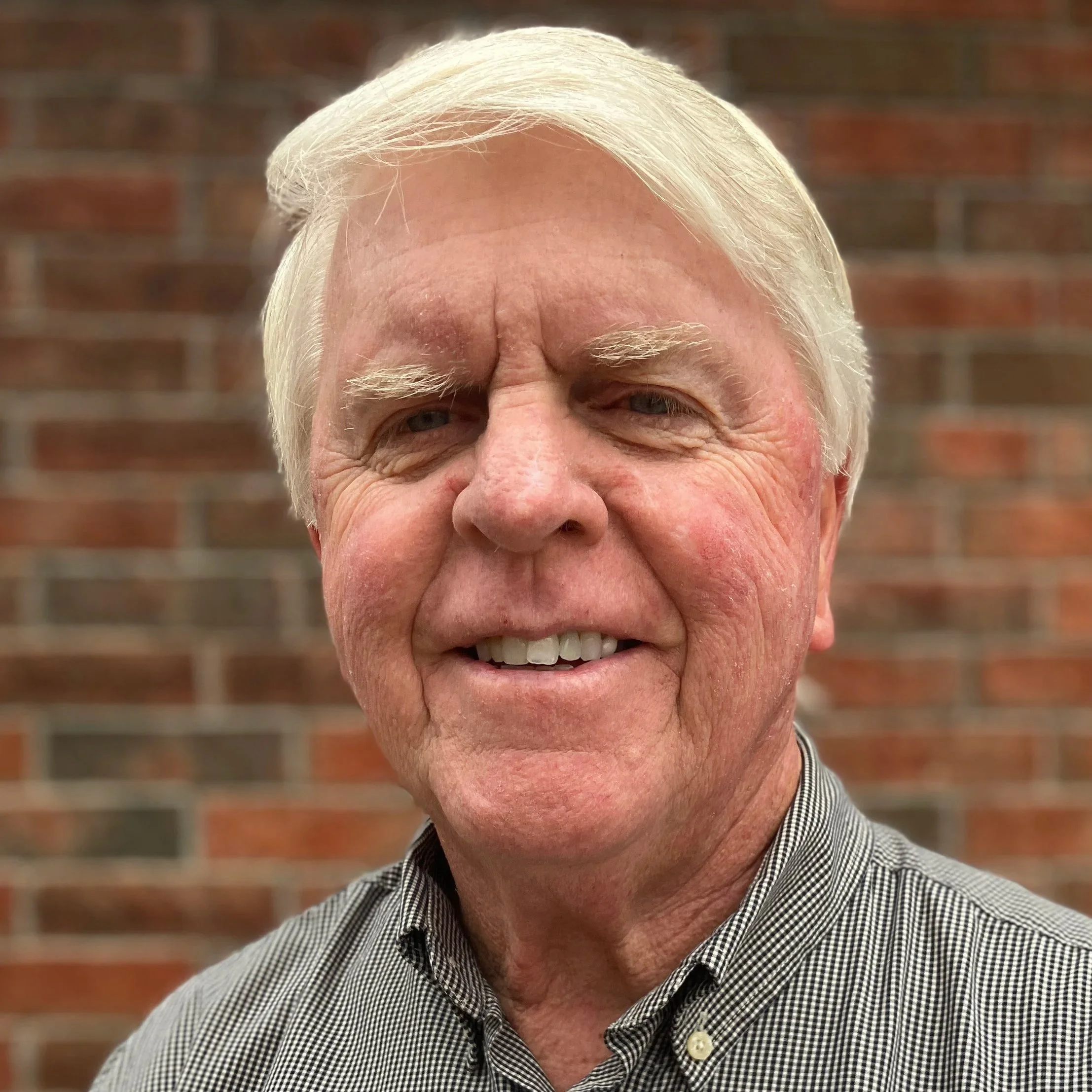
In a time when congregations are asking how to develop good disciples of Jesus, we may well overlook a primary resource---Scripture! The world of the Bible offers us the very things that help human beings grow and mature. Authors and teachers, Mark and Samjung Hamilton have recently offered a book, Story, Ritual, Prophecy, and Wisdom, that offers insight and practical wisdom to the ways that narratives, practices, and forthright speech give rise to healthy, living communities of faith that demonstrate wisdom. Join us for a lively conversation!
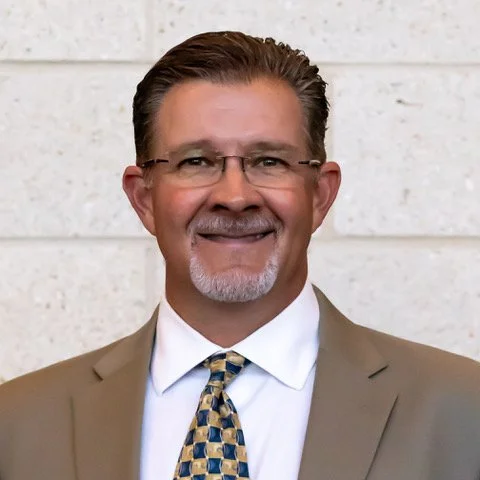
In many places in the world congregations are growing, and Christianity is flourishing. What might we learn from brothers and sisters in other parts of the world? Please join an exciting conversation with Dr. Dan Bouchelle, president of Mission Resource Network, to hear some of the ways in which Christianity is spreading. We’ll also explore how those of us in the United States might think more like missionaries – right here in our own towns and cities.
2024 Intersections

In the last 25 years, forty million people have left American churches. They and their children often still believe in God or have warm feelings toward Jesus and Scripture. But they've mostly been fed empty calories, if anything. How do we respond to an uncatechized generation of believers and half-believers, including those raised in the orbit of church life, and who increasingly live online and don't spend their time in books? Join us for a discussion with Brad East on his new book, Letters to a Future Saint, which is one attempt to respond to this challenge.
hristianity is in decline in the United States today, and so many changes are occurring in our culture as well. However, researchers are at work seeking to learn about what is happening in Churches of Christ. In this Intersection webinar, Dr. Suzie Macaluso will give an overview of cultural and sociological trends as well as tell us about a new research group—the Church Research Council—that is forming to learn about congregations in Churches of Christ in terms of demographics, practices, and other sociological factors. She will also share what they hope to learn and how that will be helpful for thriving congregations!
Join us for this timely discussion with Josh Ross about his new book, Coreology: Six Principles for Navigating an Election Season without Losing Your Witness. As we know, it can take hours, weeks, months, maybe even years for people to trust the witness of a Jesus-follower. And yet, we can lose that witness in a moment: with one social media post, a negative encounter, or an insensitive comment. Dozens of voices in our culture are fighting for our attention, affection, and allegiance, and for us Kingdom people, any form of drifting from our core confession of Jesus Christ’s kingship can lead to destruction. If we neglect our core, we lose our center, we lose our balance, and we can hurt our witness. We’ll talk about how to live with passion yet be driven by principles that keep us properly rooted.

Our discussion with Dr. Stephen Bullivant continues as we pivot from the broader religious landscape into Churches of Christ. We will begin with Dr. Bullivant's perspective and intrigue on Churches of Christ and their pioneering of restoration. Then move into how the rise of the "nones" is playing out within Churches of Christ. Since Churches of Christ are not unaffected by the rise of the nones and secularization, how have churches in our context responded to this reality?

Join us for a conversation with author and researcher Dr. Stephen Bullivant whose recent book, Nonverts: The Making of Ex-Christian America, explores the deeper realities of persons who have left organized faith. For many people, a departure from their faith tradition becomes a conversion experience—departing one world and entering another. If you are a minister or church leader interested in the well-being of your congregation or about the people who live in your neighborhood, you will benefit from Bullivant's research!

Beginning during COVID and continuing in the years thereafter, so many churches have been struggling—including churches in small towns. Yet some churches are finding their way by doing something rather simple: preaching and embodying hope as a way of life. Dr. Jeff Cary, our special guest, serves as the preaching minister and as an elder of a small church in west Texas, in addition to serving on the faculty at a Christian university. Join other Intersection viewers as we hear about a church that is finding her future through hope.
Special Guest: Dr. Jeff Cary

As the Churches of Christ experience decline with the rest of American churches, is there a way forward that captures hope and imagines flourishing? Could a different set of questions guide us toward communities of faith that honor the past and thrive in the future? Jovan Barrington, Jeff Brown, and Tiffany Dahlman will dialogue with Carson and Randy about a shared vision for the future of the Churches of Christ.

January 16 | 11 AM Central | Zoom Webinar
While the Lord’s kingdom is eternal, specific congregations have life cycles. When congregations age and face the challenges of serious decline, what does healthy congregational stewardship look like? Heritage 21 provides congregational, legal and real estate resources.
Special Guest: Doug Peters
2023 Intersections
December 5 | 10 AM Central | Zoom Webinar
As contemporary society forges onward in extraordinary and hurried change, churches are not immune nor secluded from such seismic shifts, which certainly present questions and uncertainties to the church at large. Through it all, how are you as a minister/elder/leader taking care of your own spirit, your own heart? What are appropriate and healthy responses when you also acutely feel pressures and concerns in your own life? During this Intersection, Dr. Chelsie Sargent will explore the need for proactive and intentional self-care for church leaders.
Special Guest: Chelsie Sargent
November 7 | 10 AM Central | Zoom Webinar
Sometimes preachers think of the letters of the New Testament primarily as a source for preaching Christian doctrine. In this presentation, though, we will press toward a broader understanding of the epistles as expressions of lived, on-the-ground Christian faith. These texts can, therefore, become resources for preaching that seeks to form hearers in their everyday Christian lives.
Special Guest: Dr. Thomas Long

October 24 | 10 AM Central | Zoom Webinar
The ministry of spiritual direction is making a comeback in the contemporary church. This ancient practice offers the opportunity for someone to serve as a spiritual companion. Although the spiritual director may be a bit farther along in their spiritual journey, the name of “director” is a misnomer. The true director is the Holy Spirit—the spiritual director’s role is to facilitate one’s relationship with God. Join us for this important conversation!
Special Guests: Jackie Halstead and Eric Wilson
September 19 | 10 AM Central | Zoom Webinar
Many people leave churches and faith because they have experienced spiritual abuse and trauma due to toxic religious narratives. In this session we explore the concepts of spiritual abuse and religious trauma, and we discuss pastoral leadership practices and postures that foster congregations that are healing for the spiritually traumatized.
Special Guest: Dr. Charles Kiser
May 16 | 11 AM Central | Zoom WebinaR
Discussion on how Attachment Theory can provide a helpful framework for congregations and members in distress. Why relational ruptures may spark primal panic, and how an adaptive lens such as Attachment Theory can provide the basis for intervention.
Special Guest: Dr. Sara Salkil
April 18 | 11 AM Central | Zoom Webinar
Discussion on how Churches of Christ have navigated the tumultuous waters of race relationships in the past and how that history continues to shape the way we handle this delicate topic in the present.
Special Guests: Edward Robinson & Wes Crawford
March 21 | 11 AM Central | Zoom Webinar
In this Intersection conversation, Dr. Suzie Macaluso will share insights gained from conducting the Church Health Assessment in over 50 congregations. We'll talk about the development of the new version of the Church Health Assessment and how church leaders can use the data collected to help their congregation.
Special Guest: Dr. Suzie Macaluso
February 14 | 3:30 PM Central | Zoom Webinar
Two professional chaplains discuss what chaplaincy is—and isn’t—and how chaplains can be valuable allies to those involved in church ministry. Topics addressed include: a day in the life of a healthcare chaplain; similarities and differences between the work of chaplains and church-based ministers; qualifications chaplains have to meet; how chaplains and church-based ministers can support one another; and self-care while caring for others.
Special Guests: Kasey McCollum & Paul Riddle
January 24 | 3:30 PM Central | Zoom Webinar
A Conversation with Dr. Mason Lee & Dr. Tim Sensing which we explored the distinctive challenges of preaching in our post-pandemic world. As well as the unique opportunities God may have given those called to preach in this season of the Church’s life.
Special Guests: Dr. Mason Lee & Dr. Tim Sensing
2022 Intersections
December 13 | 12:00 PM Central | Zoom Webinar
Our contexts are becoming ever more diverse. Intercultural community and life are increasingly real. How do ministers navigate intercultural contexts, and how might our preaching need to evolve to communicate effectively in such a world? Join us with our special guest, Dr. Jared Alcántara, as we explore what it means to be interculturally competent in our communication, in our preaching, and in our ministry.
Special Guest: Jared E. Alcántara

November 15 | 11:00 AM Central | Zoom Webinar
Children hold a special place in the heart of Jesus, and many churches desire to cultivate a space that mirrors that same love and embrace. However, due to factors that range from the practical (e.g., minister shortages) to the spiritual (e.g., an incomplete theology of children), churches struggle with how to put that desire into practice. Therefore, the result is a ministry that becomes more programmatic than spiritually formative, and in the end, the kingdom of God experiences the impact of those challenges. Therefore, if we are to truly embody a children’s ministry that expresses the fullness of God—from children to leadership—then we must ask ourselves, “What does ministry with children truly look like?”
Special Guest: Jennifer Schroeder
October 18 | 11 AM Central | Zoom Webinar
The cultural dynamics of honor, face, and shame have often been thought to be possessions of foreign, non-Western cultures. Those of us in the English-speaking world have often thought we have "outgrown" such issues–no more "pistols at 20 paces"! In truth, there is no such thing as "Honor Cultures" or "Shame Cultures." Not only do these appear as dominant themes in scripture, but all cultures practice these basic dynamics, including our modern English-speaking North American culture. To understand and engage our current cultural context well, ministers and church leaders need to pay closer attention to such issues. In this webinar, Chris will draw on some of his recent publications to help church leaders think deeply and critically about honor, face, and shame.
Special Guest: Chris Flanders
September 6 | 11 AM Central | Zoom Webinar
In the aftermath of COVID and the social unrest of the past three years, churches have—at best—lost only 15% of their pre-COVID numbers. In many cases, church attendance is down 30-50% or more from 2019. At the same time, we have seen a precipitous rise in the number of churches closing or merging with other congregations. Does anyone still question the need for new churches? Of course, we always need new churches, but we do not need more of what we have had. We need new churches that reimagine what it looks like to be the people of God in an increasingly secular and post-Christian world. Therein lies the challenge! Will established churches seek to start new kinds of churches—churches that perhaps won’t even look like churches to them but embody the Gospel in their communities in unfamiliar ways?
Special Guest: Tod Vogt
May 3 | 11:00 AM Central | Zoom Webinar
Much has been written about the ways in which our culture grows increasingly fragmented. Less discussed, however, are the ways in which our church practices contribute to that reality. Drawing on the work of Dietrich Bonhoeffer, Myles Werntz offers an account of the ways the church perpetuates isolation, and what it might look like to practice the life of faith with the good of community in mind.
Special Guest: Myles Werntz
April 12 | 11:00 AM Central | Zoom Webinar
The Bible is the word of the Lord Jesus to his church. But what is it meant to do in the life of God’s people? What is it for, how should we understand it, and how should we approach it as ordinary believers or as teachers and preachers? In this Intersection webinar, we will reflect theologically on the role and purpose of Scripture in the worship and mission of the church.
Special Guest: Brad East

February 22 | 11:00 AM Central | Zoom Webinar
Pastoral leadership is an ancient practice, and the church is no stranger to troubled times. In one way or another, ministers lead and care for their congregations amid chaos – whether that chaos is within the congregation, in the surrounding culture, or both. Keeping a clear head about what the pastoral calling is about, is critical to helping God’s people navigate stormy waters.
Special Guest: R. Robert Creech

January 25 | 11:00 AM Central | Zoom Webinar
The Bible is full of stories about disruptions, and God is always on the ground inviting believers into practices that make discernment possible. When leaders and their communities experience disruption, disorientation, and trauma, we tend toward desperation or tightening up. Yet those biblical narratives emphasize a more grounded response. This webinar, based on Leadership, God’s Agency, and Disruptions, will explore how the challenges we face can reshape our own leadership.
Special Guest: Mark Lau Branson
2021 Intersections

December 7, 2021 | 11:00 AM | Zoom Webinar
Sadly, many people are straying from congregational life, and we may be seeing the fruit from our lack of attention to discipleship, community, and bearing witness to the gospel in public spaces – even before the pandemic. Rick Atchley joins us to explore what our churches need to hear anew.
Special Guest: Rick Atchley
November 16 | 11:00 AM Central | Zoom Webinar
The Christian life is not a solo endeavor, yet we also must tend to ourselves in ways holy and Spirit-breathed. In this webinar, Chelsie Sargent will discuss how the Enneagram can provide intentional, spiritual self-care practices to church leaders who are busy caring for others.
Special Guest: Chelsie Sargent
October 19 | 11:00 AM Central | Zoom Webinar
The church is on the edge of a new possibility at the very moment that it feels like it’s falling apart. Join us for a webinar with Tim Soerens as we discuss his book, Everywhere You Look: Discovering The Church Right Where You Are.
Special Guest: Tim Soerens

May 11 | 11:00 AM Central | Zoom Webinar
What do we do with this finding from a recent Barna study: “A startling six in 10 Americans believe that any ‘attempt to convert others’ to one’s own faith is ‘extreme’”? Priscilla Pope-Levison, author of the award-winning book, Models of Evangelism, bucks the statistics by introducing Christians to a wide range of models, from personal to media evangelism and from small group to prophetic evangelism. Join us for a conversation about how these models can inspire churches and individual Christians to convey the good news (euangelion) of the gospel.
Special Guest: Priscilla Pope-Levison
April 13 | 11:00 AM Central | Zoom Webinar
Refugees and immigrants have always played an important role in the conception of the American dream. Their reception, however, tells a different story. Sometimes welcomed, sometimes feared, depending on their place of origin and the dynamics of the current political moment. But we dare not forget they are real people and, as Christians and church leaders, we have made a pledge to a crucified Messiah. Jessica Goudeau, author of After the Last Border: Two Families and the Story of Refuge in America, joins Randy and Carson for a conversation on how ministers can help their churches practice hospitality to strangers. Jessica brings real expertise and knowledge, as well as a deep commitment to the way of Jesus, to this fraught but important conversation.
Special Guest: Jessica Goudeau
March 30 | 11:00 AM Central | Zoom Webinar
We live frantic, busy lives that distract us from seeing and hearing God. Yet our hearts long to be centered on God. For centuries, Christians sought to release the reins of control and enjoy a more vulnerable, intimate life with God. They adopted postures in prayer to become more receptive to God’s agenda and leading. They learned practices for yielding their minds and hearts to God along with ways to allow Scripture to speak into their lives. Contemplative prayer fosters this deep, rich relationship with God in forms of prayer that are accessible to all. Join us for a conversation with Jackie Halstead about the practice of contemplative prayer for congregational leaders – both for themselves and in their leadership of the church.
Special Guest: Dr. Jackie Halstead
March 16 | 11:00 AM Central | Zoom Webinar
What can we reasonably expect breath prayers to accomplish in the lives of those who use them as tools of formation? In this conversation, Houston Heflin will join us to explore breath prayers through history – from ancient Israel through the Orthodox church to today. Along the way we’ll explore how Christians use this form of prayer, and we’ll practice with this spiritual exercise as well.
Special Guest: Houston Heflin
February 23 | 11:00 AM Central | Zoom Webinar
Two Christian journalists, Cheryl Mann Bacon and Bobby Ross Jr., discuss their pursuit of facts in an age of polarization and conspiracy theories. They offer wisdom on how church leaders can promote news literacy and a healthy understanding of what is true and false on social media and in the headlines.
Special Guest: Cheryl Mann Bacon & Bobby Ross Jr.
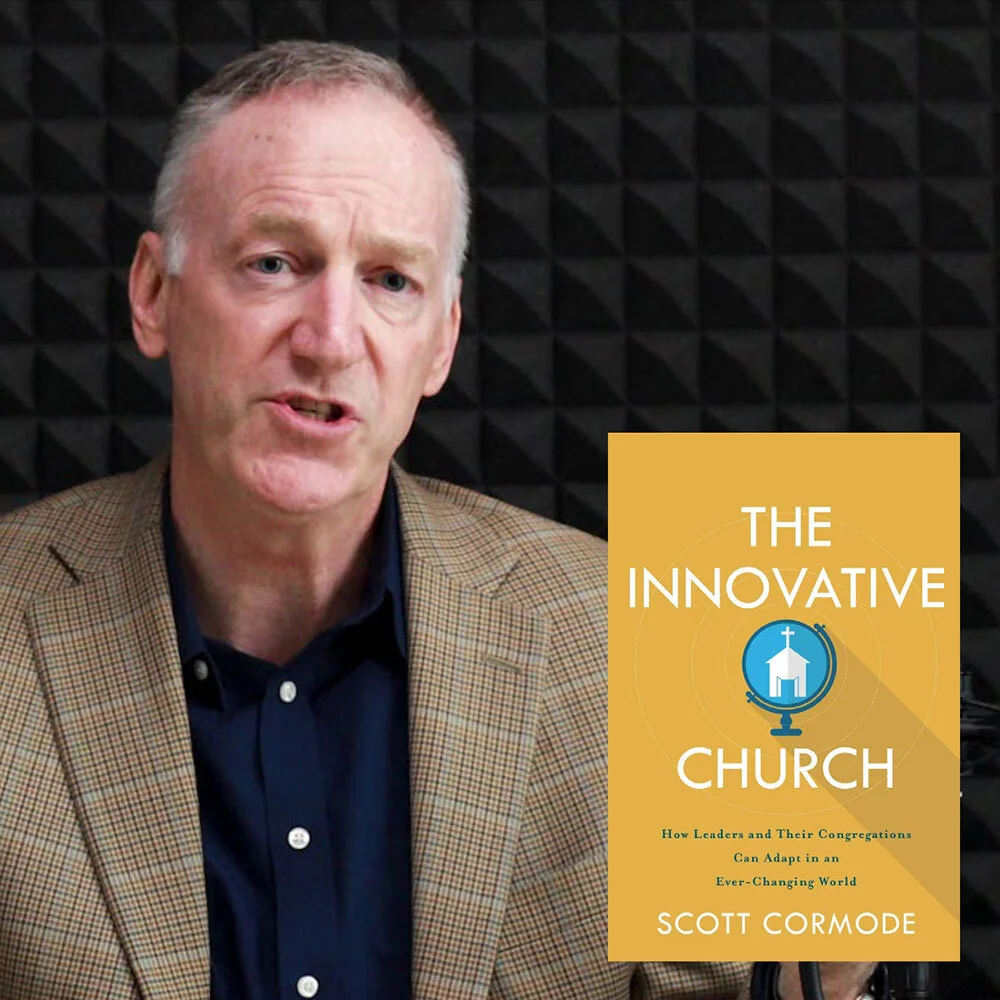
February 9 | 12:30 PM Central | Zoom Webinar
The world is changing at an unprecedented rate. Church leaders are recognizing the need to adapt like never before. Scott Cormode, author of The Innovative Church, joins Randy Harris and Carson Reed for a discussion of how the never-changing gospel informs the challenging and life-giving work of innovation for the sake of God’s mission in the world.
Special Guest: Scott Cormode
January 26 | 11:00 AM Central | Zoom Webinar
With the rise of Latinx populations in many parts of the United States, one blind spot for churches is the reality of Brown sisters and brothers. What could we learn about the gospel, mission, and justice by listening to how God is acting through the faithful witness of the Brown church? Alejandro Ezquerra and J. Omar Palafox join Randy Harris and Carson Reed for our second Intersection of the year.
Special Guests: Alejandro Ezquerra & J. Omar Palafox
January 12 | 11:00 AM Central | Zoom Webinar
As the decline of Christendom continues to shape North America, it is important to reflect on the new ways those outside our churches hear and respond to the story of Jesus. Drawing from his years of planting churches in the five boroughs of New York City, and from his new book, Lost Faith: A Practical Theology for Post-Christendom Ministry, Seth Bouchelle joins us to discuss the spiritual formation of new disciples in a religiously pluralistic context.
Special Guest: Seth Bouchelle
2020 Intersections
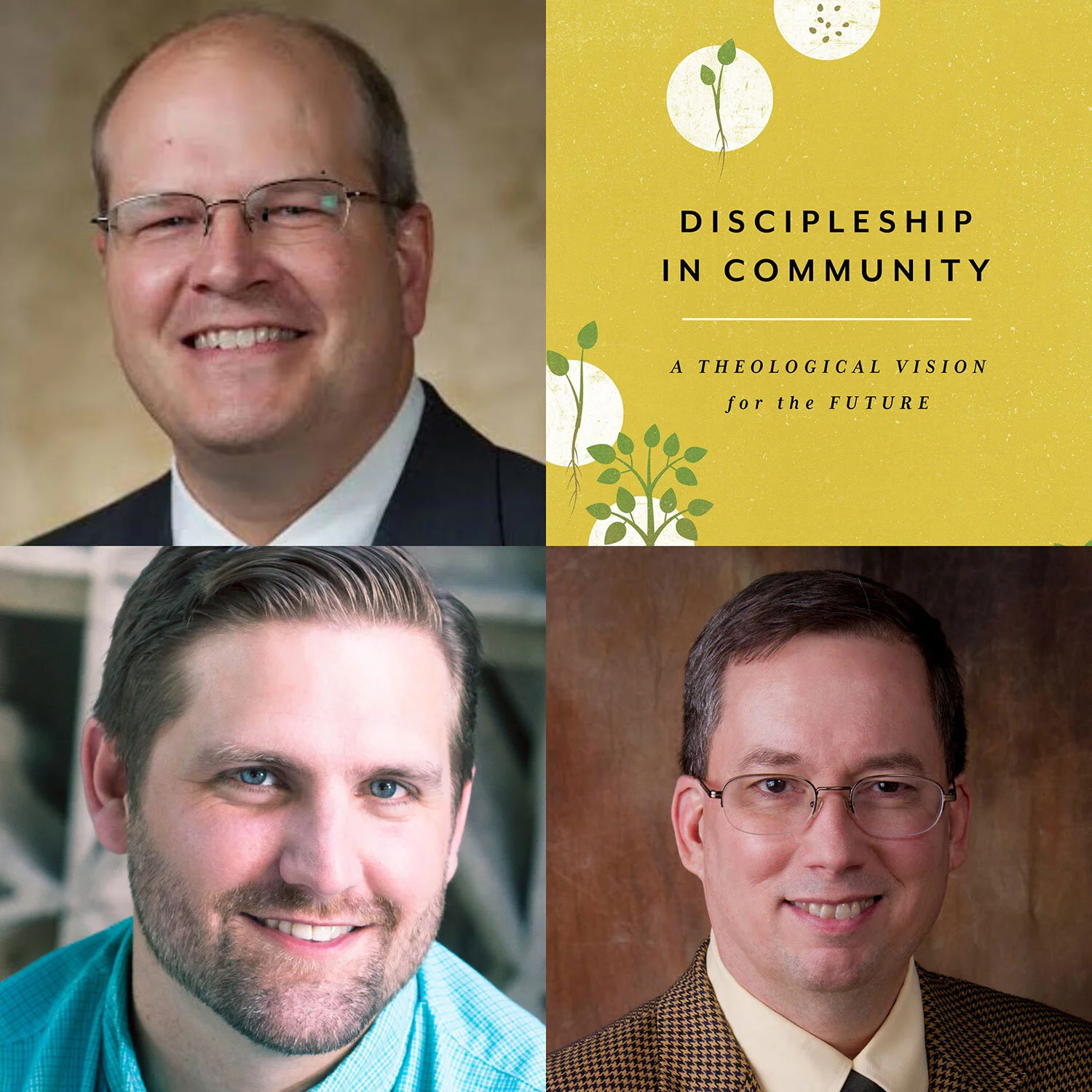
December 8 | 11:00 AM Central | Zoom Webinar
What do theological ideas like the Trinity, discipleship, and eschatology have to do with thriving congregations today? More than you might think! This webinar offers a conversation with Mark Powell, John Mark Hicks, Greg McKinzie, co-authors of Discipleship in Community: A Theological Vision for the Future. Hosts Carson Reed and Randy Harris lead the discussion about contributions the book might make to congregational vitality in this time of separation and uncertainty.
Special Guests: Mark Powell, John Mark Hicks, & Greg McKinzie

November 17 | 11:00 AM | Zoom Webinar
Ministers today face seemingly impossible tasks, carrying the burdens of reckoning with racial injustice, connecting with absentee members, navigating political landmines, and so much more. Amid these challenges, church leaders must also attempt to hold themselves together. What does ministerial self-care look like here and now? Chelsie Sargent joins Randy Harris and Carson Reed to talk about the practices and promises ministers and church leaders can lean into, just for today.
Special Guest: Chelsie Sargent
October 27 | 11:00 AM | Zoom Webinar
It seems as if the whole world, including our congregants, is inundated with information. Embedded in this trend is a lot of conversation about conspiracy theories – political, religious, and more. What is the Christian response? What biblical insights can guide us through this confusing maze? We take a look with special guest Royce Money.
Special Guest: Royce Money

September 15 | 11:00 AM | Zoom Webinar
As rates of agnosticism, atheism, and mental health concerns continue to rise, our churches are experiencing decline. Richard Beck joins Randy Harris and Carson Reed for a conversation about these intimately related trends and what they tell us about why God matters in an increasingly secular world.
Special Guest: Richard Beck

August 11 | 11:00 AM | Zoom Webinar
In this conversation, Suzie Macaluso joins Randy Harris and Carson Reed to discuss the findings from a survey of nearly 1,500 churchgoers in the United States. Discussion points include how respondents feel their church is handling the COVID-19 crisis and their anxiety about returning to worship.
Special Guest: Suzie Macaluso
July 12 | 11:00 AM Central | Zoom Webinar
In the pandemic’s ongoing disruption to our congregations’ life and practice, many of us are asking, “What should church look like when we are scattered?” The question is new for us today, but Scripture bears witness to the people of God discerning their identity in the midst of difficult or uncertain circumstances. Amanda Pittman joins Carson and Randy for a conversation about how the book of Acts and its portrayal of the common life of the early church might shape our imaginations in the face of new questions.
Special Guest: Amanda Pittman
July 7 | 11:00 AM Central | Zoom Webinar
Cole Bennett and Vic McCracken join us for an engaging conversation on the challenge and promise of civil discourse. In a time where the more ordinary things can become politicized and contested, what does it mean for us to have meaningful conversations with Christians – in Christian ways? Vic and Cole are longtime friends but consistently disagree on a wide range of topics. Hear them share some of their story and the way in which they navigate meaningful conversation, even when they disagree!
Special Guests: Cole Bennett & Vic McCracken
June 16 | 11:00 AM Central | Zoom Webinar
For this inaugural Intersection, Lawrence W. Rodgers joins Randy Harris and Carson Reed to explore some of the pressing dimensions of how racism is dividing people and churches. Together they probe underlying social and theological reasons for the lack of awareness in many white churches, and they share ways of responding proactively in whatever congregational contexts participants reside.
Special Guest: Lawrence W. Rodgers
Chaplains Fellowship Lunch and Learn
Chaplains work with people from a wide variety of faith backgrounds. We minister to people representing many different world religions and no religion at all. For a Christian chaplain, what are the theological foundations for inter-faith ministry? Is there Biblical framework that would support and guide our work? In this lunch and learn, Amy will explore interfaith chaplaincy from a Christian perspective, connecting Christian discipleship to the work we are doing. The hope is that we will leave the session with a stronger sense of the mind and heart of Jesus present in our specific vocations.
Special guest: Amy Henegar
For this lunch-and-learn, David Bearden and Paul Riddle led a group discussion around questions that arise from difficult pastoral situations that arise in chaplaincy work. Chaplains are accustomed to being called upon to provide support to people at emotionally charged times. Sometimes, a pastoral encounter leaves the chaplain in need of support. To whom does the chaplain turn? What resources are available? What coping strategies might the chaplain employ? These questions are important and challenging, and participants shared their experiences and lessons learned, as well as resources they have found helpful.
Special guests: David Bearden and Paul Riddle
Taylor’s Gift has a long-standing purpose of helping individuals and families who have been touched by organ donation. The foundation offers free grief support services for organ, eye, and tissue donor families, including “donor-in-spirit” families.
In this session, we are joined by two of the foundation’s leaders who share the story of the Storch family who founded the organization in memory of their daughter, Taylor. Learn how Taylor’s Gift fosters healing through dedicated support groups, peer-to-peer mentoring, and specialized grief workshops. We will also explore how you can integrate these specific resources into your own chaplaincy work in support of grieving families.
Special Guests: Sophie Phillips and Hannah Showalter

When we say, "people in need," what do they need? Whole person needs of body, mind and spirit must be met holistically. How do we connect community members in need to holistic whole person resources? Chaplain training and experience can be valuable tools for the intake, assessment, referral, and collaborative follow-up needed to help community members find the available resources to meet their whole person needs.
Special Guest: David Bearden

Noted sociologist Christian Smith’s recent book presents research trying to make sense of, as the title states: Why Religion Went Obsolete. For the past several years, numbers have shown a steady decline in attendance and adherence to traditional, organized religion – a phenomenon usually referred to as the rise of the “nones.” Evidence of the corresponding, institutional collateral damage in Christianity is all around: shuttered seminaries, shrinking churches, and evaporating resources. Change has come fast and furious.
Those called to the work of chaplaincy have not been unaffected. This session explores how providing spiritual care in this religious landscape is like trying to survive in a zombie apocalypse. Communities are becoming more diverse, making it more common for chaplains to encounter patients from religious traditions that may be new or unfamiliar. Furthermore, while bits and pieces of religious familiarity may remain, patients often lack a spiritual worldview that fits neatly into one of the traditional world religions.
Special Guest: Adam Metz

The presentation will explore how chaplains can offer meaningful, biblically grounded presence in the midst of crisis, medical complexity and end-of-life decisions. I’ll be sharing from real-world experiences in the ED, ICU, and oncology settings, highlighting how chaplains can help facilitate goals-of-care conversations with spiritual insight and compassion.
Special Guest: Matthew Dowling

In this session, we'll be discussing healthcare chaplaincy in rural settings. We'll be paying special attention to the spiritual and emotional struggles associated with some of the most common admission diagnoses in rural and critical-access hospitals. We will also discuss best practices for spiritual care to patients while they are with us, including how that care can extend beyond the hospital walls.
Special Guest: Benjamin Wiles

Regardless of which branch or status in which they might serve, military families often carry an unseen burden—separation, ambiguity, suddenness of orders, finances, marital and familial stress, moral injury, anxiety over possible danger, and the unknown. Churches can play a unique role in ministering to these families at all stages, helping them find connection to faith, fellowship, forgiveness, family/friendship, and the Father. Indeed, it is part of learning to love our neighbors well.
Special Guest: Daniel McGraw

One of the most unique parts of chaplaincy work is the opportunity to meet a racially, culturally, and spiritually diverse community in a hospital setting. With this opportunity also comes the challenge of demonstrating Jesus’ love with individuals who believe different things yet still need spiritual and emotional support. Interfaith is respecting racial and spiritual differences yet providing compassionate care without surrendering our pastoral authority. This class will provide tools that can equip a chaplain or chaplain student to be effective in spiritually complex environments.
Special Guest: Dwayne Lee

Research suggests that aligning spiritual care initiatives with organizational goals can positively impact holistic care for all. Through spiritual care, chaplains can partner with organizational concerns around burnout, staff retention, fostering resilience, and promoting wellness. The presentation will look at the relationship between spiritual care and organizational goals and highlight recent initiatives from Mission & Ministry at Hendrick Health.
Special Guests: Wesley Erickson and Lindsey Guerrero

Within the world of spiritual care, we are invited to listen to stories throughout our encounters and visits. We use mirroring, empathy, and wondering statements (among other strategies) to navigate those stories and give meaning. Perhaps, though, there is wisdom in thinking about listening to stories through the lens of storytelling, as we would when we read a book with story arcs, beginnings, endings, and all that good wisdom. How can we use this as a way to help patients, families, and staff think about their stories and make meaning of them? Come and explore the gifts of narrative theory and storytelling strategy! But just as importantly, we will also explore how the chaplain, the bearer of those stories, becomes the storyteller and a character in their own story.
Special Guest: James Denham

How does a police chaplain partner with law enforcement officers to serve people in crisis? And what about today’s police officers? What are chaplains contributing to their spiritual and emotional health? Welcome to ministry in the world of law enforcement!
Special Guest: John Knox
This session focuses on the integration and application of practical theology with pastoral care in multiple settings. The Created Space model aims to offer an approach to a range of practitioners that is grounded in the resources of faith and develops a deeper understanding and awareness of critical incidents.
Special Guest: Gabe Fisher

Where do we turn when our world, personal or communal, crashes in on us? Often churches and members seem ill-equipped to respond effectively with those in crisis. Learning to listen well, to withhold unsolicited advice, and to find ways to sojourn with each other is what the Jesus caregiving model provides.
Special Guest: Virgin Fry

The U.S. Army Chaplain Corps is charged with ensuring the highest level of spiritual care for our Army’s soldiers and families. The well-being of our Army’s soul determines the quality of its spirit and morale. It is critically important that our Army secures capable, experienced, and spiritually fit religious leaders to answer this sacred call. Join us to learn more about full-time and part-time opportunities as an Army Chaplain.
Special Guest: Walter McCall

In this session, Tamara Thompson and Michele Thompson will present the findings from a recent survey of individuals who have experienced reproductive loss. The goal of this presentation is to increase awareness of those who have experienced pregnancy loss and infertility. Chaplains, ministry leaders and church members will learn how to respond appropriately and sensitively to those who are grieving.
Special Guests: Michele Thompson and Tamara Thompson
During much of our training as spiritual care givers, we learn about interventions that grow our listening skills and give space for engaging in serious explorations about God. However, less attention is given to interventions such as humor, play, and laughter, because they are often thought of as a way to build rapport or as a vehicle to something else. In this session, we will explore overall the theological draw of these interventions, evaluate the benefits and drawbacks, explore possibilities for their use in our pastoral relationships, and identify some ways that we can draw out the inner child of ourselves and those we serve.
Special Guest: James Denham
This teleconference focuses on how to be effective in engaging patients and family members who have dealt with racial trauma. Participants are introduced to critical concepts of how to provide emotional and spiritual support to diverse hospital communities.
Special Guest: Dwayne Lee
Baptist Studies Center Webinars


Summit
FALL 2025 Keynote Speakers — Encounter: Spirit of the Living God


FALL 2025 Morning Devotional Sessions


FALL 2024 Keynote Speakers — Woven Together: The Power of Biblical Narrative


Fall 2024 General Interest Old Testament


Fall 2024 General Interest New Testament


FALL 2023 Keynote Speakers — Holy Discomfort: Our Journey Towards God


Fall 2023 General Interest


SPRING 2023— Living Word

FALL 2022— Abide with Me



2020— Blessed Are the Peacemakers: Bridging the Divides

Restorative justice provides a structure for healing severed relationships between people and those who have hurt them through misconduct or crime. This collaborative, peacemaking approach enables the victim to respond to the offender in a way that best meets their needs and ability to move forward.

The modern environmental movement has both attracted and repelled Christians. We argue that its core concept, the care and stewarding of the creation, should be an essential component of Christian belief. In this pathway, we discuss the theology of environmental stewardship.

Las iglesias hispanas con sus líderes están buscando una manera para renovar la visión para sus ministerios, tanto para el crecimiento personal como el de la comunidad, para que la cultura globalizada actual pueda ver la paz en ellos. Al desarrollar esta perspectiva, podremos ser pacificadores en nuestros contextos.

Peace lies at the heart of both Muslim and Christian faiths, yet animosity and conflict often characterize the relationship between the two. This is due, in part, to misunderstandings and a lack of listening to the other, so dialogue across the religious divide is critical to making and sustaining peace.

These sessions trace the Bible’s ideas about peace and our capacity for building it. They then consider how the church can build capacity for peace within its own walls and in our communities. And they consider the ways in which peacemaking reflects God’s desire for a blessed state for all humankind.

Our congregations exist in divided times. Often the chaos around us creates unhealthy conflict within us. Yet churches are called to be a unifying force in such times. Join us as we challenge and equip congregations and their leaders to become instruments of peace for the sake of the world.

For the past generation, Churches of Christ have existed in a period of transition. Some suggest the movement is dying; others suggest the movement has run its course and should blend into the larger Evangelical world. Listen to forgotten voices from our past as they remind us of a vibrant and healthy way forward.

Hispanic churches and leaders are looking for ways to recast a vision for their ministries, for both community and personal growth, to allow the current globalized culture to see peace in them. Developing this perspective will help us be peacemakers in our contexts.

Divorce, healthcare crises, and family conflicts have wreaked havoc on our families, and often church leaders feel unable to lend meaningful, practical help. Mediation is a tool that many churches are now using to lend a healing hand in these difficult situations and to avoid litigation.

In recent years, the United States has experienced the resurgence of radical and racist ideologies known as neo-Nazism and white nationalism. In this pathway, we examine white supremacy, its threat to a peaceful society, and how Churches of Christ and related institutions should respond to it.

We are wired to protect ourselves in conflict, so cultivating a peacemaker mindset is an act of discipline and love. Based on organizational and interpersonal conflict research, this pathway offers evidenced-based strategies for leaders as they engage critical issues while maintaining healthy relationships and a positive environment.

In the parable of the sheep and goats, Jesus comes to us in the hungry, the thirsty, the naked, the homeless, the sick, and the incarcerated. But we regularly fail to notice that we don’t bring Jesus to the poor and disadvantaged, we welcome Jesus in them. This perspective is foundational to peacemaking across socioeconomic boundaries.

Our world summons us to hear anew one of our Lord’s prayers: “that they all may be one” (John 17:21). Jesus’s vision lands powerfully in the American situation. In both his prayer and his new commandment (John 13), Jesus declares the world will change if his disciples love one another.

Immigration is a ubiquitous, politicized phenomenon, sometimes resulting in the migrant becoming invisible, lost in a tug-of-war between the political left and right. Christians from the Texas borderland and heartland offer insightful and current perspectives that lead to new thoughts about immigration and shalom.

People of faith don’t always connect justice and peace, yet throughout Scripture, we see that God intensely loves the people whom society puts on the margins, and is consumed with correcting injustices against them. A former refugee from Myanmar convinced Jessica the slogan is true: if we want peace, we must begin with justice.

The divides among people groups continue to oppose the tenets of Christianity, yet the current atmosphere is ripe for old dreams of unity to materialize in visionary ways. Christians can supply the agency that is necessary to turn old dreams into new visions of unity within the body of Christ and beyond.
2019— Sorrow, Hope and Joy: Life in the Mountains and Valleys of the Psalms

For some of our neighbors, home is familiar and congenial, safe and loving. Yet for many, this is not the case. In this pathway, we consider how to participate in efforts bridging the gap between oppression and freedom, so that home is a safe, welcoming place. To assemble a just world, lovers of Jesus must come together and establish relationships in spite of, and through, the differences that make us beautiful.

The data is disarming – Churches of Christ are in decline. But, like Doc Brown told Marty McFly, “Your future hasn’t been written yet.” Hear research from the front lines of revival and renewal among our churches and inspiring insights from the kingdom of God in a post-Christian world. Well-led congregations will help write our future.

The importance of leadership can’t be overestimated. It is not too much of a reach to speak of the “spirituality” of leadership as it works its way into and through the changes, challenges and progress of our lives and organizations. Tapping into the wealth of experience shared by this lineup of leaders, and set against the background music of the Psalms, these sessions inspire, inform, and challenge anyone involved in or aspiring to positions of leadership.

Are you curious about the faith journeys of young adults? Join us for a series of conversations featuring ministers, researchers, and students. Through this pathway, we consider factors shaping affiliation with faith, the experience of working with young adults in ministry contexts, and research into the spiritual lives of college freshmen. This pathway concludes with a collaborative look at young adults’ faith formation and race, hosted in partnership with the Songs of Sorrow, Songs of Joy pathway.

The book of Psalms has provided rich resources for Jewish and Christian worship and ethical reflection for centuries. It still does. The speakers in this pathway draw on years of work as scholars and artists to explore the book’s many dimensions as a source for study, prayer, song, and art. As the church’s first song book, Psalms provides language and images for lament and praise, storytelling and the pursuit of wisdom. In short, it helps us be more fully human in our lives before God.

This pathway explores the role of Christianity in contemporary American politics and the public policy process. It addresses questions faced by Christians who are troubled by the political polarization and coarseness of today’s American politics, and concerned about public policies that seem to conflict with religious expression. The destination of this pathway is more informed and responsible engagement in politics that is faithful to one’s Christian commitments and that ultimately fosters a healthy religious civil society.

This pathway is for people who are looking for what’s next. With more in-depth and practical information, we discuss specific growth paths for each number. This will include understanding levels of health within your type, achieving balance with your centers of intelligence (thinking, feeling, and doing), and utilizing your stress and security arrows.

Scripture tells us to go to all nations, yet the church often struggles at the intersection of different cultures. From the center city to the suburbs, cities in North America are increasingly multicultural. While international migration is transforming neighborhoods, individuals are now connected to the larger global world at the push of a button, and shifts in religious belonging are having a profound impact on outreach of the local church.

Join Jason Byassee for a mini-pathway based on his book, Faithful and Fractured: Responding the the Clergy Health Crisis. Combining the expertise of a health psychology researcher and a leading pastoral theologian, the book brings together the best in social science and medical research, examining the poor health of clergy and exploring what can be done about it. In addition to physical health, Faithful and Fractured treads deep into the territory of mental health and spiritual well-being, and suggests that increasing the presence of positive mental health may prevent future physical and mental health problems for clergy.

Churches that want to become more intentionally intergenerational typically raise two questions. The first: “How can we bring the generations back together?” The second and even more important: “Why?” What is the evidence that intergenerational approaches are beneficial? This pathway explores both questions engagingly, incisively, and experientially. The speakers briefly share biblical and theological foundations and explore empirical, sociological, and theoretical support for cross-age Christian practices. Along the way, the class addresses the “how” question, discussing (and experiencing) several successful emerging intergenerational approaches.

This pathway introduces the Enneagram, a personality typing system that helps us understand who we are and what motivates us. It identifies nine ways of seeing and experiencing the world and describes with amazing accuracy how we think, feel and act. It not only helps us understand ourselves but gives us compassion for other people in our lives. It identifies our core struggles and sins that keep us trapped and helps us get out of our own way so we can grow into the person God created us to be. The Enneagram itself doesn’t change us, but it helps us see who we truly are and gives us clear steps for transformation, to be more like Jesus.

Hearing Scripture told to us offers a vastly different encounter than reading it silently to ourselves (or even hearing it read aloud). It’s an experience that blesses both hearers and tellers, and the inherently relational experience builds community and deepens intimacy. In this pathway, we have opportunities to hear stories from Scripture, learn to tell stories ourselves, and dream about ways that our churches can experience this unique encounter with God’s Word.

W. E. B. Du Bois called the slave spirituals “Sorrow Songs,” but he found more than sorrow in their rhythm and rhyme. These songs reveal a tension between sorrow and joy, death and life, despair and hope. That same tension permeates the story of race relations and pursuit of justice, healing, and unity in American Christianity. Join us in exploring challenges and opportunities in this vital work.

There are 150 psalms in the canon of Scripture; 150 songs to the Lord. And yet, the church is a living, breathing example that our song to the Lord continues. How does a congregation live – or “sing” – in the midst of sorrow, hope, and joy? Centered on worship ministry, this pathway provides some conversations about leading in crisis, as well as practical tips on developing young leaders, leading in multicultural settings, and working with teams.

The certainty, longevity, and predictability workers once felt no longer exist as technological advances, the economy, and shifting social and economic realities contribute to an unsettling and unpredictable experience. How might Christians engage these changing dynamics? In what ways do gender, race, social location, and the American work ethic affect our career path and development? This pathway discusses ways Christians might engage the changing landscape of work with greater compassion, curiosity, and imagination.

Small churches are wonderful precisely the way they are, yet there often remains a frustrating belief that, for these churches to be what God wants, they must become larger. Certainly, growth would be nice, but it is God who makes things grow (1 Corinthians 3:7). Let us remove this pressure and simply be the church, regardless of size.

Examining Charles Taylor’s assertions about living in the 21st century provides insights about how disciples must healthily navigate this secular age. This pathway scrutinizes how our journey shouldn’t be seen as a battle. Instead, we should recognize all the persistent longings for transcendence that characterize our secular age. To proclaim the gospel in such a context is not a matter of guarding some fortress; it’s an opportunity to invite our friends and neighbors to meet the One they didn’t even realize they’d been longing for.

Eddie Sharp and Cheryl Mann Bacon lead two sessions based on their book, Comfort When the Shadow Falls: Encouraging the Dying and Those Affected by Grief, offering a reflective, compassionate, and holistic examination of how Christ calls us to minister in the shadow of death. Not only do the speakers consider the biblical foundation for life, death, and hope, but they also offer seasoned, practical advice on how to serve the dying, come alongside grieving families, lead in funeral services for expected or sudden losses, and minister to the grieving unchurched in our communities.

For more than 30 years, traditional models of youth ministry have leaned toward tendencies that fail to consistently invite young people to lifelong service in the body of Christ. Recently, the Fuller Youth Institute researched congregations that have discovered effective ways for inviting young people to enthusiastically participate in every area of church life. Their research is published in Growing Young. What are these habits and how might they also revitalize an entire congregation?

The Holy Spirit is no tame Spirit. When the people of God grow comfortable, satisfied, and sleepy, when the call of God’s mission to the whole world recedes, the tendency of the Spirit is to shake up the church and dislodge it from its ease and self-satisfaction. This shake-up is happening to many churches in the West. Many will die, and through the shaking, many will renew or discover a sense of the expansive mission of God and new openness to the Spirit of God. Today the doctrine of the Spirit remains no longer the awkward stepchild of theology but has risen to the center of attention. Why has this happened? Our answer may surprise you.

Who better to fill our hearts and minds with the “enthronement Psalms” than Steven Moore? Just as early God-fearers used enthronement Psalms to celebrate God as King, today we make a joyful noise unto the Lord because he reigns. Joy instinctively pours out in worship to him.

Life isn’t lived under Eden’s tree of life or beneath the healing leaves of the tree in the new Jerusalem. It is lived between them. Life is often hard. In spite of this reality, Shane Wood challenges us to embrace hope, love, and the beauty of reconciliation provided freely by God. There is indeed hope for the sorrowful.

Luke Roberts recites the Sermon on the Mount while Randy Harris offers contemporary application and insight.

Mo Isom delivers her keynote address, “Wreck My Life: Journeying from Broken to Bold.” Brokenness is the place God meets us most often, where we acknowledge that each of us walks with a limp. The real heartbeat of ministry is courageously communicating our brokenness to God and authentically and compassionately sharing life, grace, and hope with others.

Since the untimely death of her daughter and because of her own recent battle with a serious illness, hope has become the intentional concentration of Beverly Ross’s life and professional counseling ministry. Reflecting on Psalm 71, Beverly challenges us to come boldly before God, expressing the depths of our pain and our hope with full confidence that he not only hears our despair and prayers, but acts on our behalf.

Mo Isom speaks at a special Sunday evening session for students, drawing on her book, Sex, Jesus, and the Conversations the Church Forgot. Young people today have heard the purity talks, heard that porn is bad, heard they should just wait for the right person to come along. They’ve heard all of the prescriptions. It’s time to cut the clichés and the purity rings, and give them the truth. Isom has been there, and she’s here to have real conversations about it.

Mike Cope reflects on his (and our) relationship with the Psalms. The Psalms provide us with the hymnbook of the Bible and assist Christians today when in the peaks and valleys of everyday life, with expressions of deep emotions such as sorrow, hope, and joy. Like the psalmists, we can become encouraged and empowered to express all the emotions life brings our way.
2018— Wholeness in a Broken World

2017— Ancient Scripture, Future Church: The Choices We Make and the God We Serve
2017 Keynote Sessions and Conversation Corners – several sessions on the theme “Ancient Scripture, Future Church: The Choices We Make and the God We Serve”


Part of Paul’s baptismal teaching was that there should be “neither Jew nor Greek, slave nor free, male nor female.” Studying the models of peacemaking in earliest Christianity might help us to form different perspectives and healthier practices in bridging racial, economic, and gender divides.