

General Interest | Old Testament
The Old Testament ministry community will explore ways in which the gospel of Matthew uses the Scriptures of Israel to tell the story of Jesus, the church, and the world. We will place the study of Matthew in the context of ancient Jewish readings of their Scriptures, paying attention to both the methods of interpretation and the conclusions of other readers, especially those at Qumran. We will also examine Matthew in detail and workshop ideas for preaching that take advantage of the ways in which Matthew's readings of other biblical texts inform its theology and how that can shape our preaching.
Community details
The Old Testament general interest community can look forward to sessions and discussions led by esteemed Old Testament scholars, Amy McLaughlin-Sheasby, Mark Hamilton, and Carolyn Sharp.
THURSDAY MORNING SESSIONS
9:30 - 10:30 a.m. | Session 1: Reading Between the Lines: The Early Church and Its Scriptures | Mark Hamilton
10:30 - 10:45 a.m. | Break
10:45 - 11:45 a.m. | Session 2: The Hebrew Scriptures and the Christology of Matthew: Jesus as Teacher of Torah | Carolyn Sharp
THURSDAY AFTERNOON SESSIONS
2:45 - 3:45 p.m. | Session 3: Collaborative Discussion Session | Carolyn Sharp
3:45 - 4:00 p.m. | Break
4:00 - 5:00 p.m. | Session 4: Meta-Hermeneutics: Christian Preaching of Matthew’s Interpretation | Amy McLaughlin-Sheasby
FRIDAY MORNING SESSION
9:15 - 10:45 a.m. | Session 5: The Hebrew Scriptures and the Christology of Matthew: Jesus as Theological Ethicist | Carolyn Sharp
Facilitators

Amy McLaughlin Sheasby
DR. AMY McLAUGHLIN-SHEASBY
Dr. Amy McLaughlin-Sheasby is a professor in the College of Biblical Studies at Abilene Christian University, where she specializes in practical theology, homiletics, and wisdom literature. Much of her academic research focuses on the impact of suffering and trauma on the way we speak about God. She is also the Director of Faculty Spiritual Formation at ACU—a role that entails the development of spiritual care for fellow faculty members. In addition to her love for Christian higher education, Amy has always been passionate about congregational ministry. She has worn many different hats in churches around the country, but it was during her time as the preaching minister for a small church in Abilene that she became most passionate about educating and equipping fellow ministers for varied contexts. Amy and her husband, Nathan, currently live in Abilene, Texas, with their beloved dog, Miles. They are members of Highland Church of Christ, where they enjoy serving in the worship ministry together.

Mark Hamilton
DR. MARK HAMILTON
After ministering several years in congregations in Connecticut and Massachusetts, Mark moved to Abilene Christian University in 2000. There he teaches courses in Biblical Hebrew and Old Testament. He has been a visiting professor at Pepperdine University, Lipscomb University, and universities in New Zealand, Ghana, Russia, Croatia, Israel, and South Korea. He has also lectured and preached in many parts of the United States, and several other countries. In addition to his work at Abilene Christian University, Mark served ten and a half years as an elder of the University Church of Christ in Abilene. He preaches and teaches in churches in many locales. Mark is the author of numerous publications and is currently working on several more, including commentaries on Genesis and 1-2 Samuel. Most importantly, he and his wife, Samjung, have two adult children and a son-in-law whom they dearly love.
GUEST SPEAKER
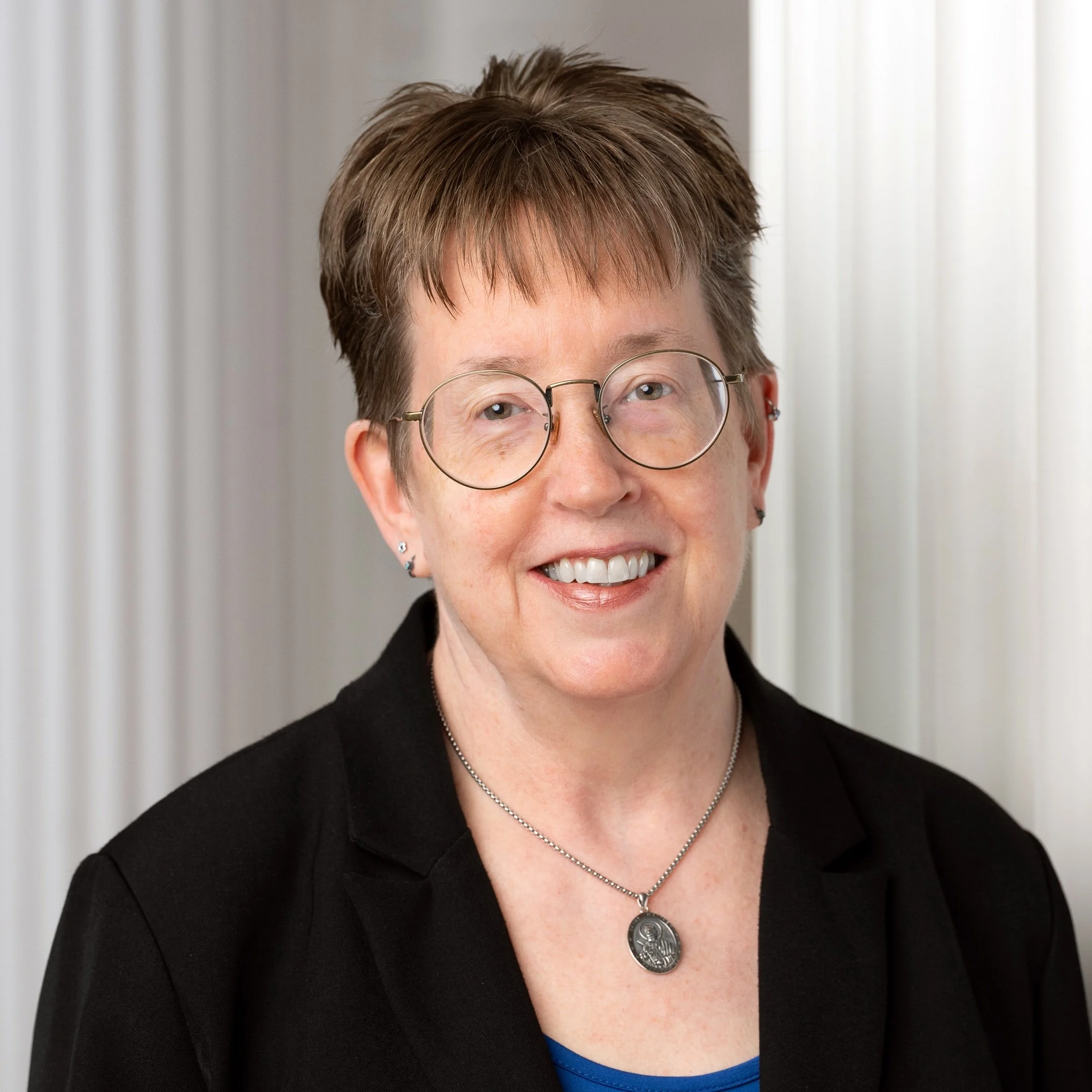
Dr. Carolyn Sharp
Carolyn J. Sharp teaches homiletics at Yale Divinity School. Her books include a commentary on Micah (2025), a commentary on Jeremiah 26–52 (2022), Wrestling the Word: The Hebrew Scriptures and the Christian Believer (2010), and Irony and Meaning in the Hebrew Bible (2009). Professor Sharp has edited or co-edited eight volumes, including The Oxford Handbook of Christian Homiletics, forthcoming in fall 2026. Professor Sharp is the founding series editor of the T&T Clark Library of Homiletics. An Episcopal priest, she serves as Preacher in Residence at St. Thomas’s Episcopal Church in New Haven, Connecticut.